



Ashwagandha (Withania somnifera) is generally considered safe for most people when taken in appropriate doses and under proper guidance. It has been used for centuries in Ayurvedic medicine for its adaptogenic properties, helping the body manage stress, improve energy levels, and enhance overall health. However, like any supplement or herb, it may pose risks in certain situations or for specific individuals.
This guide explores potential risks, side effects, and precautions to help you determine whether Ashwagandha is suitable for you.
Is Ashwagandha Safe?
For most individuals, Ashwagandha is safe when:
- Taken in recommended doses (300–600 mg daily of standardized extract).
- Consumed in high-quality, third-party-tested forms.
Potential Risks and Side Effects
While rare, some people may experience the following:
1. Digestive Discomfort
- Symptoms: Nausea, diarrhea, or stomach upset.
- Cause: The herb’s bioactive compounds may irritate sensitive digestive systems.
- Solution: Take Ashwagandha with food and start with a low dose to minimize discomfort.
2. Excessive Drowsiness
- Symptoms: Feeling overly relaxed, drowsy, or fatigued.
- Cause: Ashwagandha’s calming effects may be too strong for some individuals, especially when combined with sedatives.
- Solution: Take Ashwagandha at night to aid sleep, or reduce the dosage.
3. Hormonal Effects
- Symptoms: Changes in hormone levels, particularly testosterone.
- Cause: Ashwagandha is known to boost testosterone and regulate cortisol, which could affect hormonal balance in sensitive individuals.
- Solution: Monitor symptoms if you have a hormonal condition or are undergoing hormone therapy.
4. Thyroid Function
- Symptoms: Overactive thyroid symptoms in individuals with hyperthyroidism.
- Cause: Ashwagandha may stimulate thyroid hormone production.
- Solution: Avoid if you have hyperthyroidism or consult your healthcare provider.
5. Allergic Reactions
- Symptoms: Rash, itching, or difficulty breathing (rare).
- Cause: Sensitivity or allergy to Ashwagandha.
- Solution: Discontinue use and seek medical attention if symptoms occur.
6. Potential Drug Interactions
Ashwagandha may interact with certain medications, such as:
- Sedatives or sleep aids (e.g., benzodiazepines).
- Thyroid medications.
- Immunosuppressants.
- Blood pressure medications.
What to Do: Consult a healthcare provider if you are taking any medications or have underlying health conditions.
Who Should Avoid Ashwagandha?
Ashwagandha may not be suitable for:
-
Pregnant or Breastfeeding Women:
- It may cause uterine contractions, increasing the risk of miscarriage.
-
Individuals with Autoimmune Disorders:
- Ashwagandha can stimulate the immune system, potentially exacerbating conditions like lupus, rheumatoid arthritis, or multiple sclerosis.
-
People with Hyperthyroidism:
- The herb may overstimulate thyroid hormone production.
-
Individuals with Allergies to Nightshades:
- Ashwagandha is part of the nightshade family, which can trigger allergies in sensitive individuals.
-
Children:
- Not recommended unless prescribed by a healthcare professional.
Safe Usage Tips
-
Start with a Low Dose:
- Begin with 300 mg of standardized extract and gradually increase as needed.
-
Use High-Quality Products:
- Opt for trusted brands that provide third-party lab testing, such as KSM-66 or Sensoril Ashwagandha.
-
Monitor Your Body’s Response:
- Pay attention to how your body reacts and adjust dosage or timing accordingly.
-
Consult a Healthcare Professional:
- Particularly if you have medical conditions, are pregnant, or are taking medications.
Final Verdict
For most people, Ashwagandha is not dangerous and offers numerous health benefits, including stress relief, improved energy, and hormonal balance. However, it can pose risks for certain individuals, particularly those with specific health conditions or sensitivities.
By using it responsibly, choosing high-quality products, and consulting a healthcare provider when necessary, you can safely enjoy the benefits of this powerful adaptogenic herb.
Featured collections
-30%
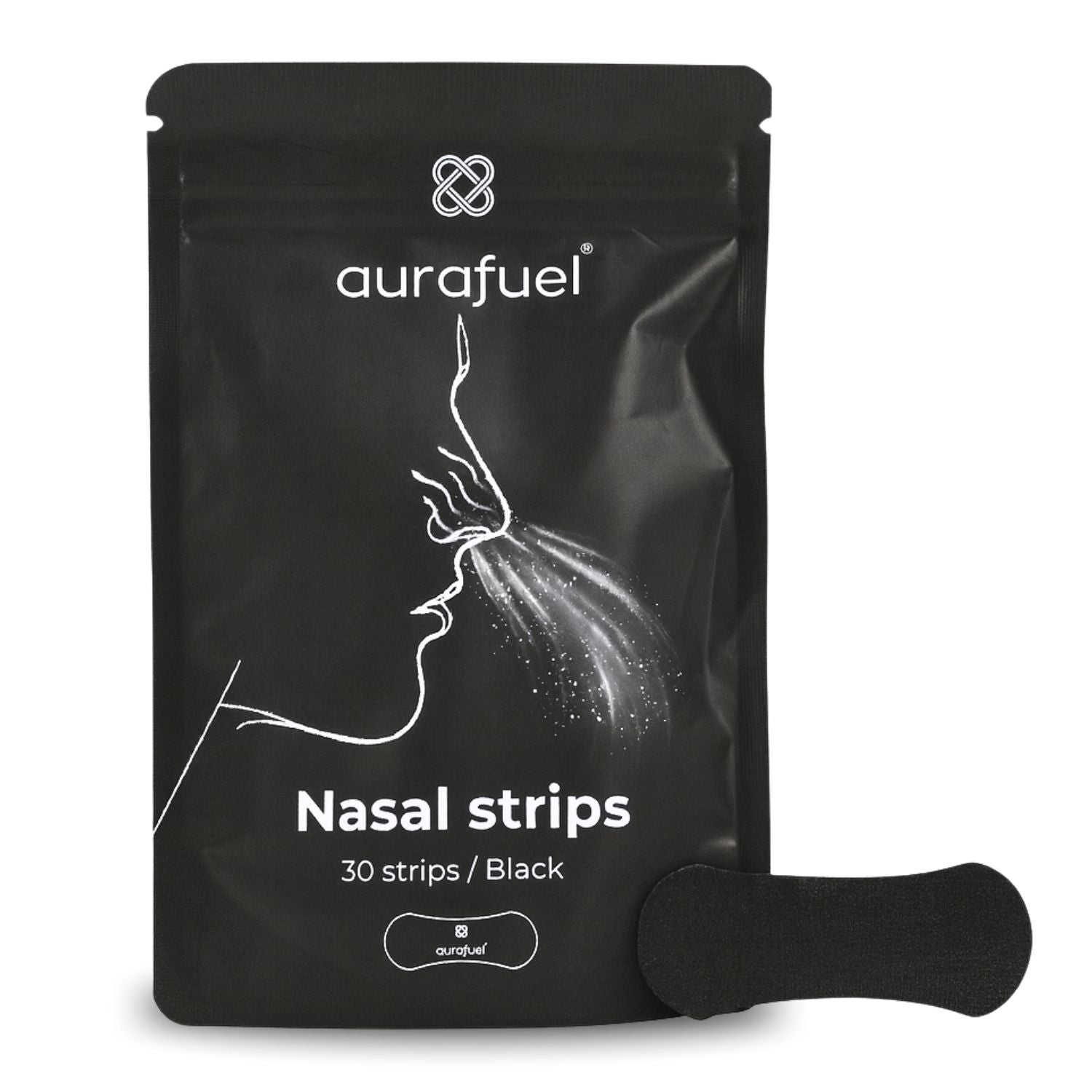


Sale price€13,99Regular price
€19,95
-28%
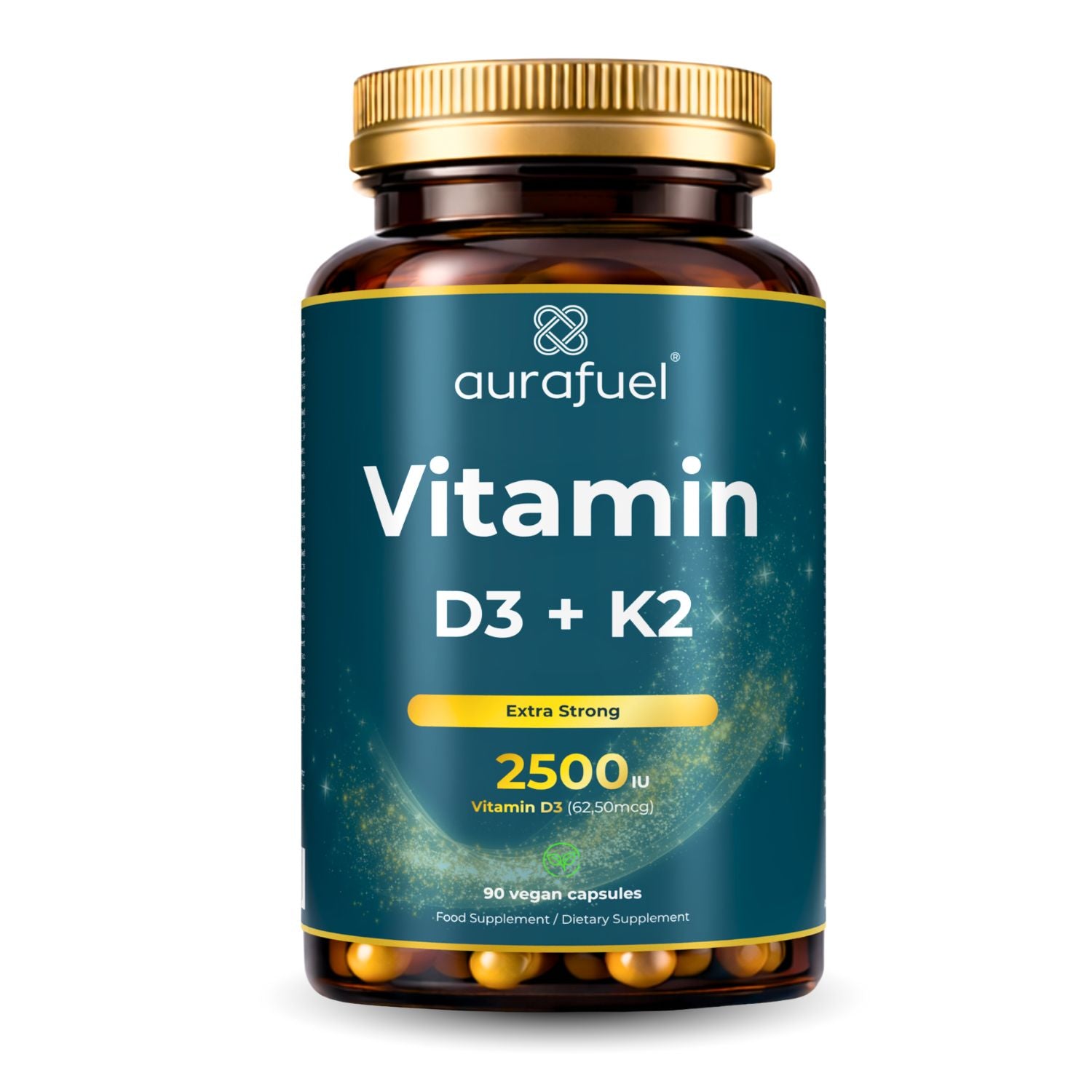
Sale price€24,99Regular price
€34,95


-28%
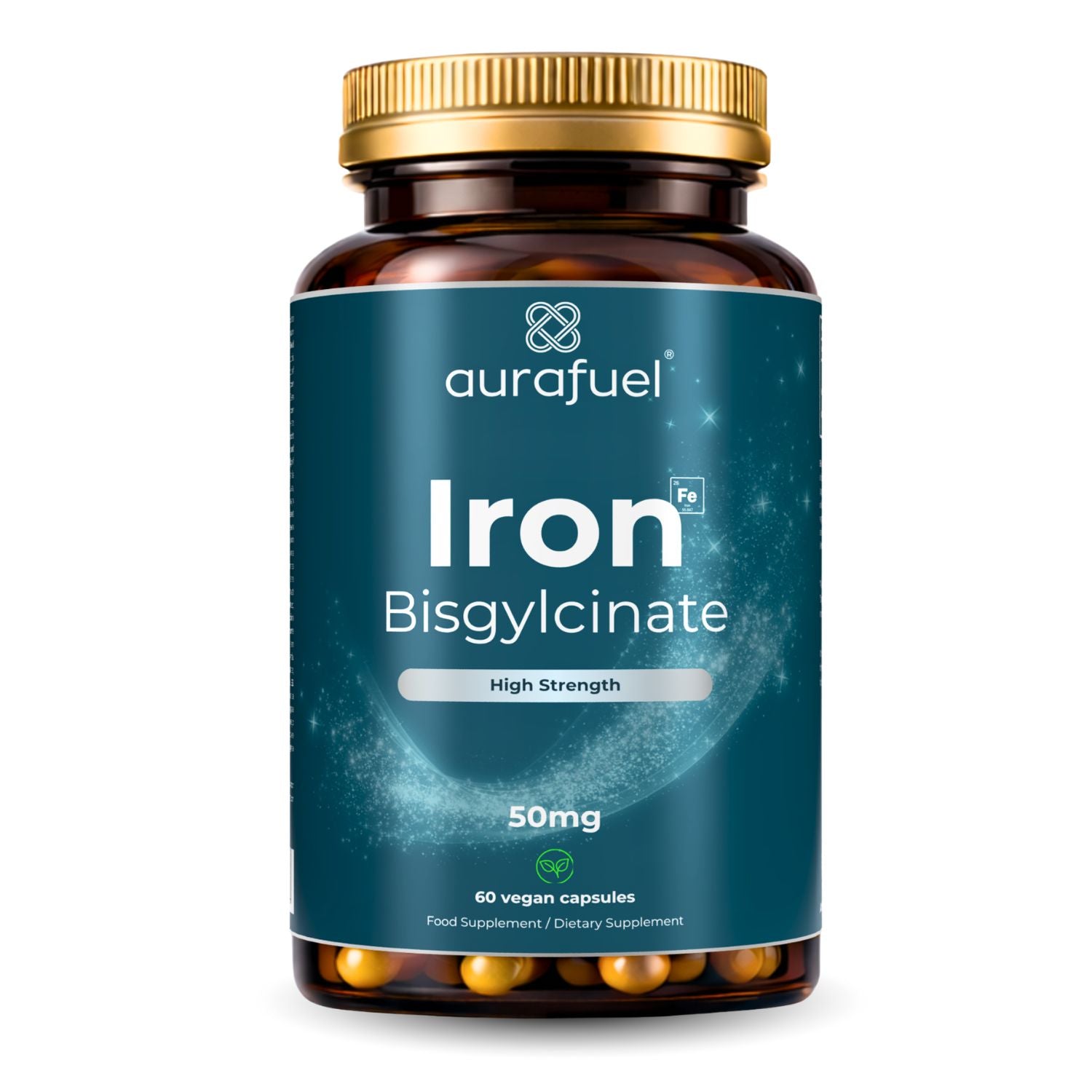
Sale price€17,99Regular price
€24,95
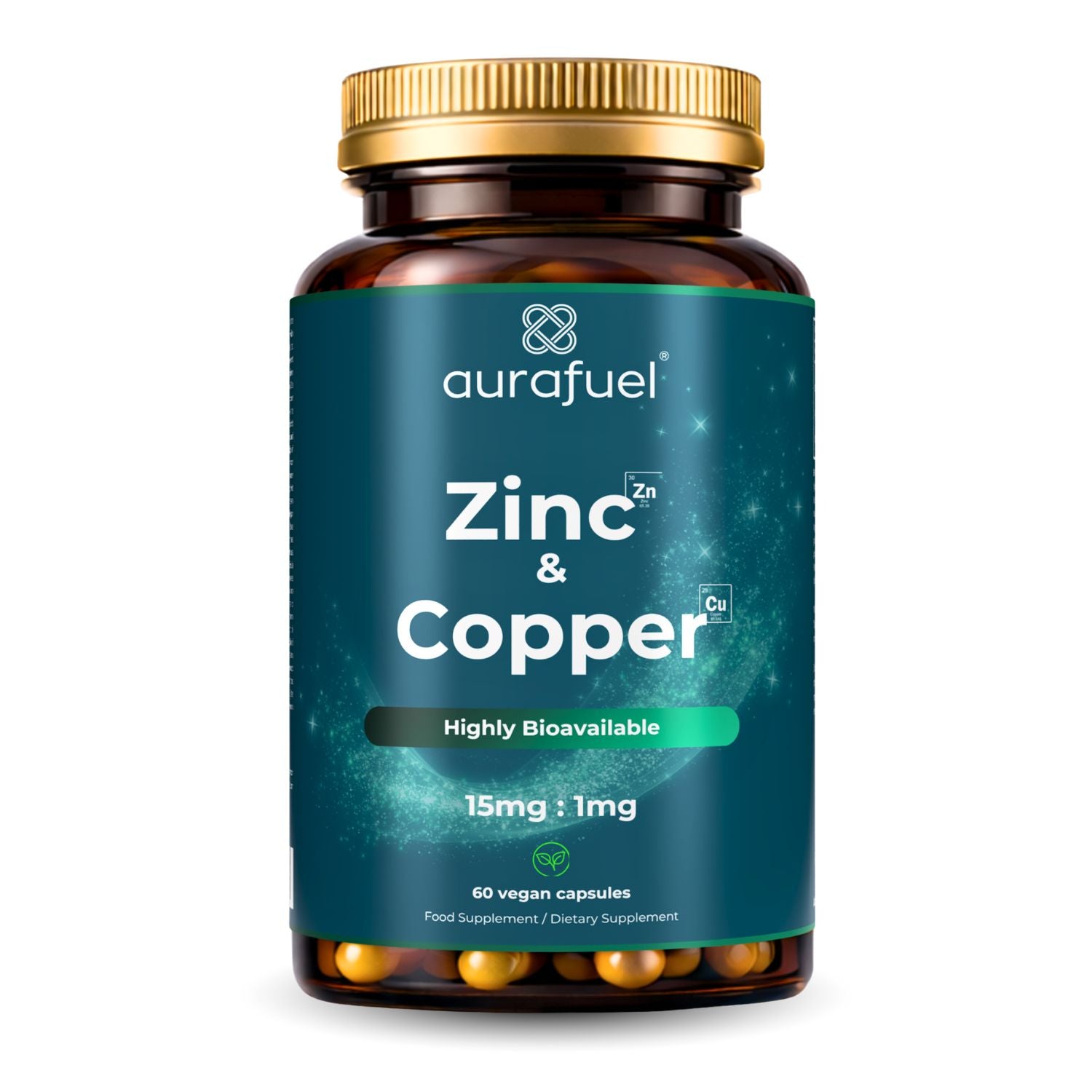
-30%


Sale price€13,99Regular price
€19,95
Share:
Best Mumijo Top 10
Why Aurafuel Shilajit? Unlocking the Secrets of Nature’s Powerhouse