



FIRST TIMER?

Subscribe to our newsletter and be the first to hear about our new arrivals, special promotions and online exclusives.
Testosterone is a vital hormone responsible for regulating energy levels, mood, muscle mass, libido, and overall well-being. While testosterone levels naturally decline with age, lifestyle factors such as stress, poor diet, lack of sleep, and inactivity can accelerate this decline. The good news? There are many ways to increase testosterone naturally, without relying on supplements or medical treatments. This blog covers the best science-backed strategies to boost testosterone levels safely and effectively.
Testosterone plays a crucial role in physical and mental health for both men and women, though men have significantly higher levels. Healthy testosterone levels contribute to:
As testosterone levels decline with age (often by about 1% per year after 30), it’s normal for men to experience reduced energy, slower metabolism, and diminished muscle mass. However, a few key lifestyle changes can go a long way in maintaining or even boosting testosterone levels.
Physical activity, especially weight lifting and high-intensity interval training (HIIT), can significantly impact testosterone production.
Tip: Aim for at least 3–4 strength-training sessions per week, incorporating compound movements for maximum impact.
Sleep is a critical factor in maintaining healthy testosterone levels. Most testosterone is produced during deep sleep cycles, particularly REM (rapid eye movement) sleep.
Tip: If you have trouble sleeping, try techniques like deep breathing, reading, or a warm bath to unwind before bed.
Diet plays a massive role in hormone production, so it’s essential to eat foods that support testosterone levels.
Tip: Avoid processed foods, excessive sugar, and refined carbs, as these can lead to insulin resistance, which may lower testosterone.
Chronic stress can have a detrimental impact on testosterone levels. When stressed, the body releases cortisol, which directly reduces testosterone production.
Tip: Try meditation apps, breathing exercises, or even journaling to manage stress daily.
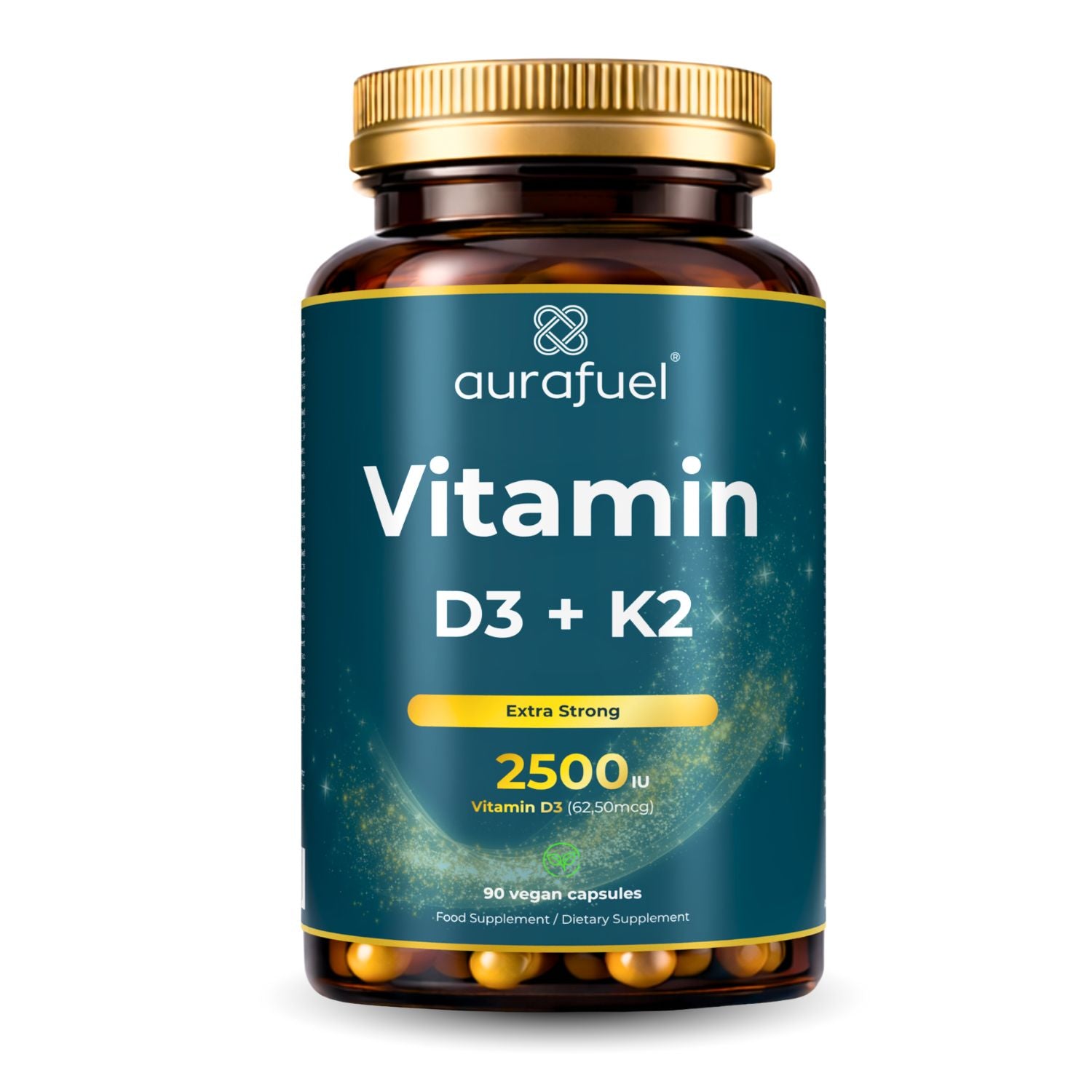
Vitamin D is not only crucial for bone health but also plays a significant role in testosterone production. Research shows that men with higher levels of vitamin D tend to have higher testosterone levels.
Tip: Foods rich in vitamin D, like fatty fish (salmon, tuna), egg yolks, and fortified dairy products, can also help boost your levels.
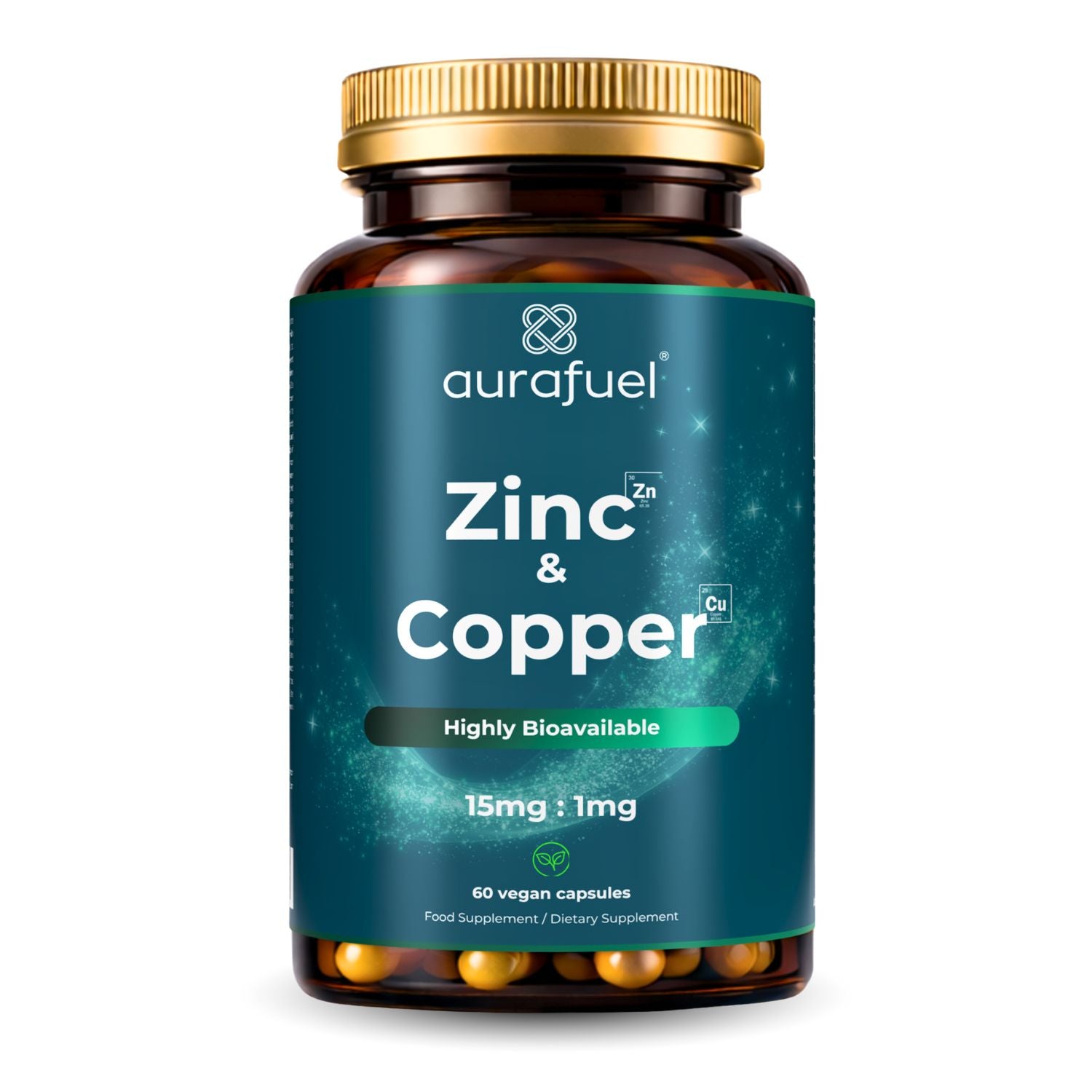
Both zinc and magnesium are essential minerals for testosterone production and maintenance. A deficiency in either mineral can contribute to low testosterone.
Tip: If you have trouble getting enough of these minerals in your diet, consider taking a high-quality zinc and magnesium supplement.
Body fat, especially around the abdomen, can reduce testosterone levels. Excess fat tissue increases the production of estrogen, which can lead to an imbalance in hormone levels.
Tip: Even modest weight loss can lead to noticeable improvements in testosterone levels and overall well-being.
Excessive alcohol intake and smoking are both linked to lower testosterone levels.
Tip: If you drink alcohol, opt for moderate amounts and consider red wine, which has some health benefits in moderation.
Certain supplements can support, though they should complement a healthy lifestyle rather than replace it. Some common supplements people use are:
Tip: Always consult a healthcare provider before starting any new supplement to ensure it’s right for you.
Boosting testosterone doesn’t have to be complicated; it’s often about making healthier choices that benefit your overall wellness. By prioritizing sleep, exercising regularly, managing stress, eating a balanced diet, and incorporating the right nutrients, you can naturally support healthy testosterone levels.
Whether you’re looking to improve physical performance, enhance mood, or simply feel your best, these lifestyle changes can help you boost testosterone safely and effectively. Remember, consistency is key, and small changes over time can lead to significant improvements in your energy, strength, and vitality.
Disclaimer: This blog is intended for informational purposes only. Always consult a healthcare provider before making significant changes to your diet, lifestyle, or supplement routine.



Share:
What is creatine and what does it do in your body?
Best black seed oil capsules: Which is good?