As winter approaches, your immune system faces additional challenges from colder temperatures, shorter days, and an increase in seasonal illnesses like colds and flu. Strengthening your immunity with essential vitamins and nutrients can help you stay healthy and resilient during the colder months.
Here’s a comprehensive guide to the most important vitamins and nutrients for boosting your immune system this winter.
1. Vitamin C: The Immunity Powerhouse
Vitamin C is a well-known immune booster and antioxidant that helps protect your body from oxidative stress and supports the production of white blood cells.
Benefits:
- Enhances immune cell function.
- Supports wound healing and collagen production.
- Protects cells from damage caused by free radicals.
Sources:
- Citrus fruits (oranges, lemons, grapefruits).
- Bell peppers, strawberries, and broccoli.
- Supplements: Recommended daily intake is 75–90 mg for adults, but higher doses (up to 1,000 mg) are safe during winter.
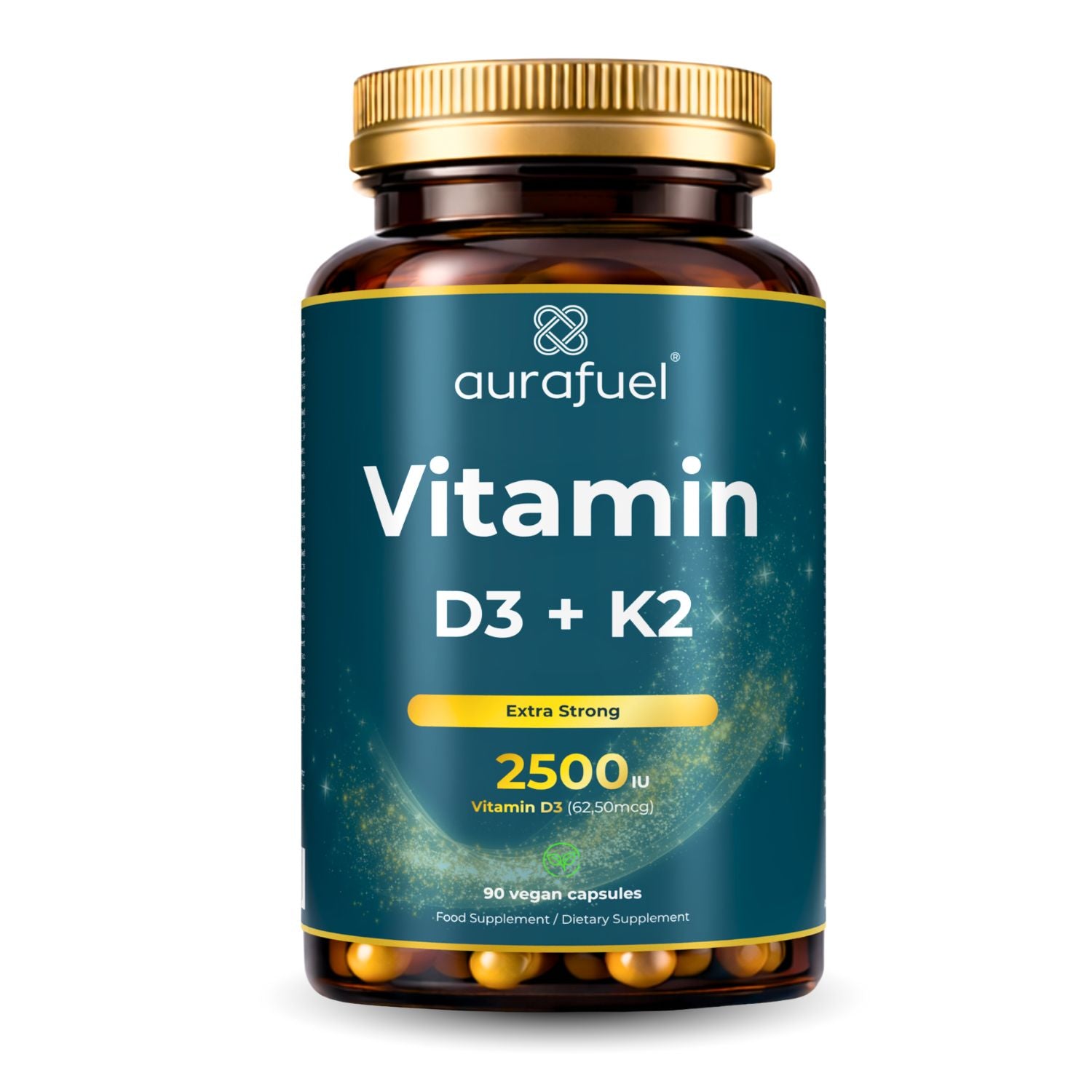
2. Vitamin D: The Sunshine Vitamin
Winter often brings reduced sunlight exposure, leading to lower vitamin D levels. Vitamin D is crucial for a healthy immune response and helps activate T-cells, which fight off infections.
Benefits:
- Regulates immune system function.
- Reduces the risk of respiratory infections.
- May help alleviate seasonal affective disorder (SAD).
Sources:
- Sunlight exposure.
- Fatty fish (salmon, mackerel), egg yolks, and fortified foods.
- Supplements: 1,000–2,000 IU daily, or more if deficient (consult a healthcare provider).
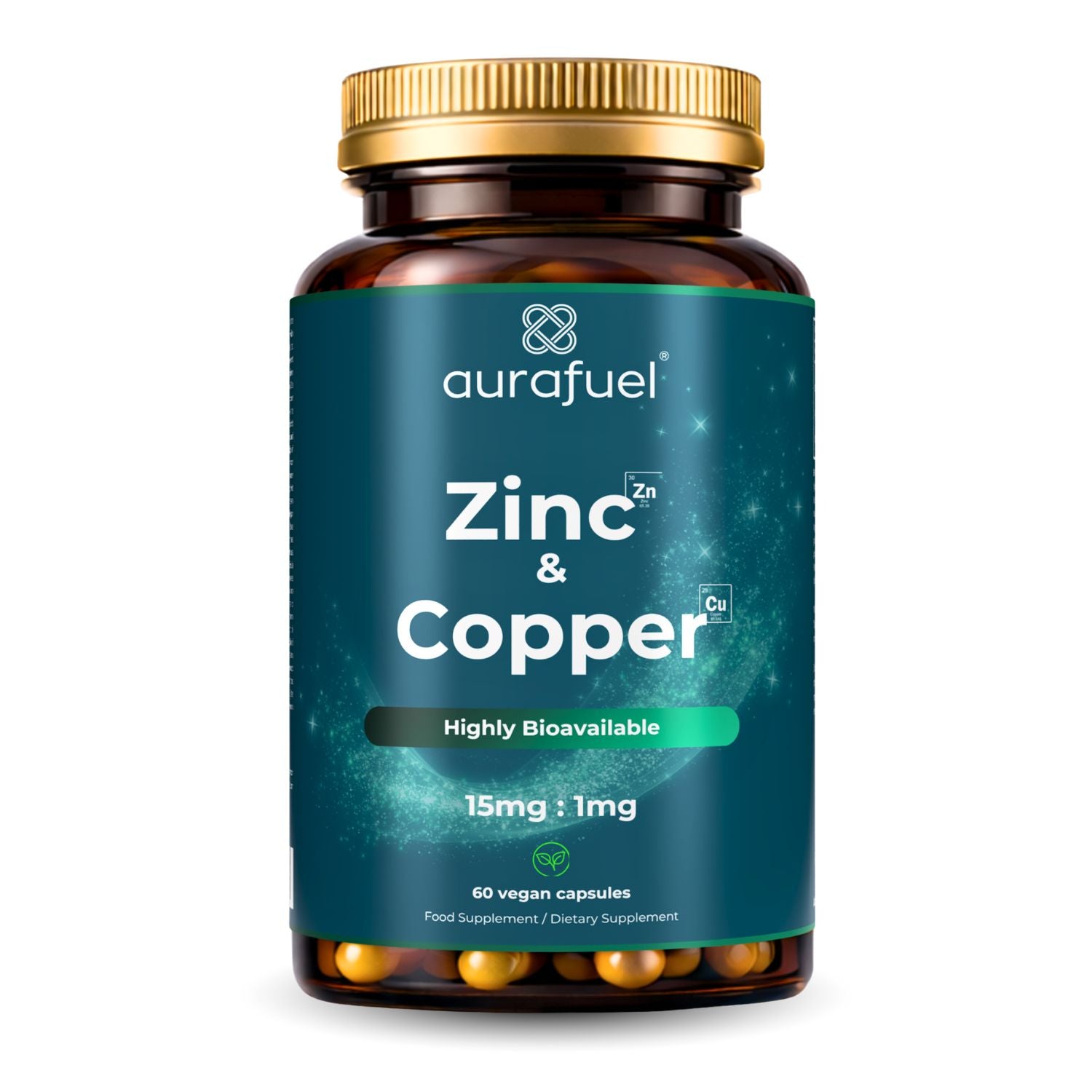
3. Zinc: The Infection Fighter
Zinc is a trace mineral that plays a key role in immune cell function and helps your body fight off viruses and bacteria.
Benefits:
- Reduces the severity and duration of colds.
- Supports the production of immune cells.
- Promotes wound healing.
Sources:
- Shellfish (oysters), red meat, and poultry.
- Legumes, nuts, and seeds.
- Supplements: Recommended daily intake is 8–11 mg, but short-term higher doses can help during illness.
4. Vitamin A: Immune Barrier Support
Vitamin A helps maintain the health of mucous membranes in your respiratory tract, which act as the first line of defense against pathogens.
Benefits:
- Strengthens epithelial barriers in the skin and respiratory tract.
- Supports the production of white blood cells.
Sources:
- Sweet potatoes, carrots, spinach, and kale.
- Liver and fortified dairy products.
- Supplements: Aim for 700–900 mcg daily for adults.
5. Vitamin E: The Antioxidant Defender
Vitamin E protects immune cells from oxidative damage and helps maintain a healthy immune response.
Benefits:
- Neutralizes free radicals that can weaken the immune system.
- Enhances the production of antibodies.
Sources:
- Nuts (almonds, hazelnuts), seeds, and spinach.
- Sunflower oil and avocados.
- Supplements: 15 mg daily is the recommended intake.
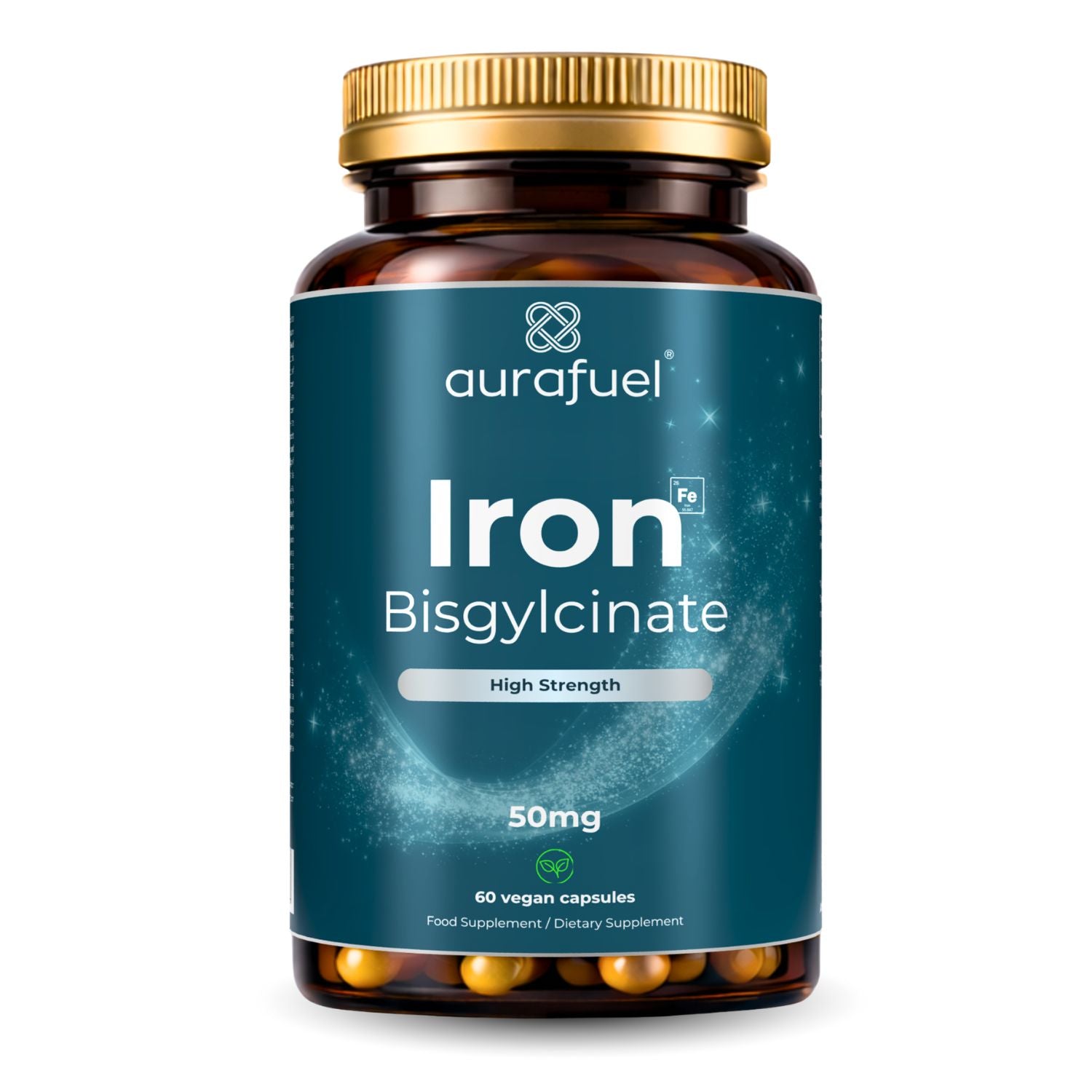
6. Iron: For Oxygen and Immunity
Iron is essential for transporting oxygen to cells, including immune cells, which helps them function effectively.
Benefits:
- Supports the proliferation of immune cells.
- Helps fight off infections.
Sources:
- Red meat, poultry, and seafood.
- Leafy greens, legumes, and fortified cereals.
- Supplements: Consult a healthcare provider for appropriate dosing, especially if deficient.
7. Selenium: The Immunity Booster
Selenium is a trace mineral that enhances the body's antioxidant defenses and supports the immune system.
Benefits:
- Helps regulate inflammation.
- Enhances the response of T-cells and other immune cells.
Sources:
- Brazil nuts, seafood, and eggs.
- Whole grains and sunflower seeds.
- Supplements: Daily intake should not exceed 200 mcg to avoid toxicity.
8. Magnesium: For Stress and Immunity
Magnesium supports various biochemical reactions in the body, including those involved in immune response and stress management.
Benefits:
- Helps regulate inflammation.
- Supports a healthy sleep cycle, crucial for immunity.
Sources:
- Leafy greens, nuts, seeds, and whole grains.
- Avocados and dark chocolate.
- Supplements: 310–420 mg daily for adults.
9. Omega-3 Fatty Acids: The Inflammation Reducers
Omega-3 fatty acids help regulate the immune system by reducing chronic inflammation and supporting the health of cell membranes.
Benefits:
- Enhances the function of immune cells.
- Reduces inflammation caused by infections.
Sources:
- Fatty fish (salmon, sardines, mackerel).
- Chia seeds, flaxseeds, and walnuts.
- Supplements: Look for high-quality fish oil or algae-based omega-3 supplements.
10. Probiotics: For Gut-Immune Health
A significant portion of the immune system resides in the gut, making probiotics essential for maintaining a healthy balance of gut bacteria.
Benefits:
- Supports gut health, which directly impacts immunity.
- Reduces the risk of respiratory infections.
Sources:
- Yogurt, kefir, sauerkraut, and kimchi.
- Probiotic supplements with multiple strains like Lactobacillus and Bifidobacterium.
Winter Wellness Tips to Boost Immunity
-
Stay Hydrated: Drink plenty of water and herbal teas to keep your body hydrated and mucus membranes moist.
-
Get Adequate Sleep: Aim for 7–9 hours of quality sleep each night to support immune cell regeneration.
-
Exercise Regularly: Moderate exercise enhances circulation and immune function.
-
Manage Stress: Practice mindfulness, yoga, or meditation to reduce stress, which can weaken immunity.
-
Maintain a Balanced Diet: Focus on whole, nutrient-dense foods rich in the vitamins and minerals listed above.
Conclusion
Winter brings its own set of challenges for the immune system, but by incorporating these essential vitamins and nutrients into your routine, you can strengthen your body’s defenses. Whether through a balanced diet, sunlight exposure, or supplements, prioritizing your immune health will help you stay resilient and healthy throughout the colder months.
Ready to boost your immunity this winter? Start by adding these nutrients to your daily regimen!







Share:
What is black seed oil?
Magnesium deficiency: symptoms, effects & causes